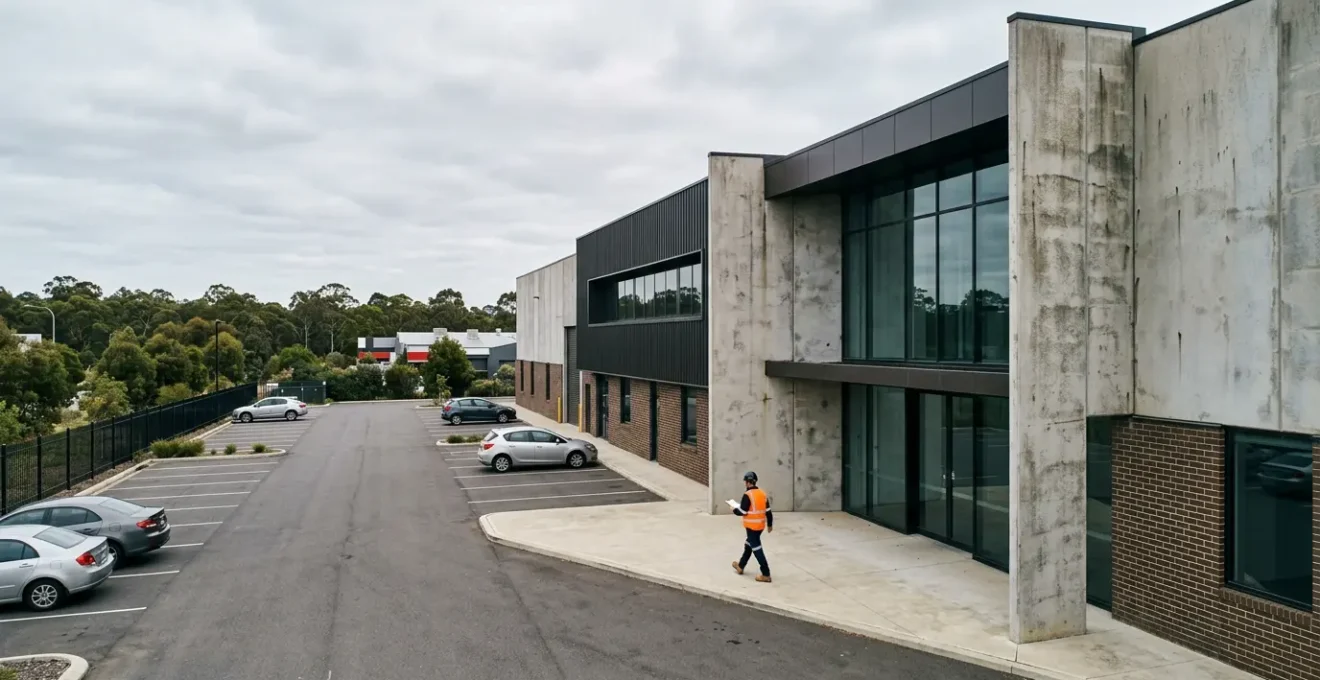
A Phase 1 Desk Study is not a procedural formality; it is the primary legal shield protecting your investment from catastrophic, pre-existing environmental liabilities.
- It quantifies abstract threats like legacy contamination and future EPC non-compliance into concrete financial risks.
- It provides the crucial evidence needed for the “innocent landowner defense,” potentially saving you from remediation costs and prosecution.
Recommendation: Treat the Phase 1 study not as an expense, but as the most critical risk-mitigation instrument in your commercial property acquisition strategy.
Acquiring a commercial property represents a significant capital investment. For savvy investors, the focus is often on location, yield, and asset potential. However, lurking beneath the surface—sometimes literally—are substantial environmental and regulatory risks that can transform a promising asset into a financial black hole. While many view due diligence through a purely financial or structural lens, the most devastating liabilities are often invisible: historical land contamination, non-compliant energy systems, and hazardous materials hidden within the building’s fabric.
The standard approach might involve a simple building survey, but this barely scratches the surface. These hidden risks are not just potential repair costs; they are legal liabilities that can trigger enormous fines, cleanup orders, and even criminal prosecution. The critical mistake is to assume that liability for past pollution remains with the previous owner. In reality, environmental law often works on the principle of “liability transfer,” where the current owner is held responsible for historical issues they had no part in creating.
This is where the entire paradigm of due diligence must shift. The key is not just to assess the property’s current state, but to investigate its entire history. A Phase 1 Desk Study, or Phase 1 Environmental Site Assessment (ESA), is the definitive tool for this purpose. It is far more than a simple report; it is a forensic investigation that serves as your primary legal instrument for risk quantification and liability defense. This guide will deconstruct the specific, high-stakes risks that a Phase 1 study is designed to uncover, demonstrating why it is the most essential, non-negotiable step in any commercial property purchase.
This article will explore the critical environmental liabilities that can impact a commercial property investment, from land contamination to regulatory compliance. Each section highlights a specific risk that a Phase 1 Desk Study is designed to identify and mitigate.
Summary: A Comprehensive Guide to Environmental Due Diligence
- Contaminated Land Liability: Can You Be Sued for Pollution Caused 50 Years Ago?
- Flood Risk Assessments: Will Your Commercial Property Be Uninsurable?
- EPC E Ratings: Is It Illegal to Rent Out Your Commercial Property?
- Managing Asbestos: Your Legal Duty to Manage Under UK Regulations?
- Remediation Costs: How Much to Clean Up a Leaking Oil Tank Site?
- EPC Risk: Will Your Building Be Illegal to Rent by 2027?
- Misrepresentation Claims: Can You Sue if the Seller Lied About Flooding?
- CPSEs Explained: What Must a Seller Disclose About a Commercial Property?
Contaminated Land Liability: Can You Be Sued for Pollution Caused 50 Years Ago?
The short answer is unequivocally yes. This is one of the most misunderstood and financially perilous risks in commercial property acquisition. The legal framework, particularly Part 2A of the Environmental Protection Act 1990 in the UK, establishes a strict liability regime. While the primary target is the original polluter, the law is designed to ensure cleanup happens. If the original polluter cannot be found or no longer exists—a common scenario for contamination that is decades old—the liability falls to the current owner or occupier of the land.
This principle of legacy contamination means you can be forced to pay for the cleanup of industrial solvents spilled 50 years before you were even aware the property existed. As the UK Environment Agency clarifies in its guidance, “The ‘polluter pays’ principle, whereby the person who caused the pollution pays for it to be cleaned up, is an important principle of Part 2A.” However, the reality is that the “keeper pays” when the polluter is gone. A Phase 1 Desk Study is the only way to establish the ‘innocent landowner defense’ by proving you conducted all appropriate inquiries before the purchase.
The financial implications are staggering. Remediation is a highly technical and expensive process, involving soil removal, groundwater treatment, and long-term monitoring. The cost can easily dwarf the value of the property itself. Without a Phase 1 study to identify these historical risks, an investor is essentially purchasing a lottery ticket for financial ruin, with the prize being a multi-million-pound cleanup bill.
Flood Risk Assessments: Will Your Commercial Property Be Uninsurable?
Beyond subterranean threats, the risk from above and around the property is escalating. Climate change has made extreme weather events, particularly flooding, a primary concern for property investors. A property’s susceptibility to flooding impacts not just its physical integrity but its fundamental financial viability. Insurance companies are increasingly sophisticated in their risk modeling, and properties located in high-risk flood zones are facing skyrocketing premiums or, in the worst cases, are becoming completely uninsurable.
This paragraph introduces a complex concept. To better understand it, it’s helpful to visualize its main components. The illustration below breaks down this process.
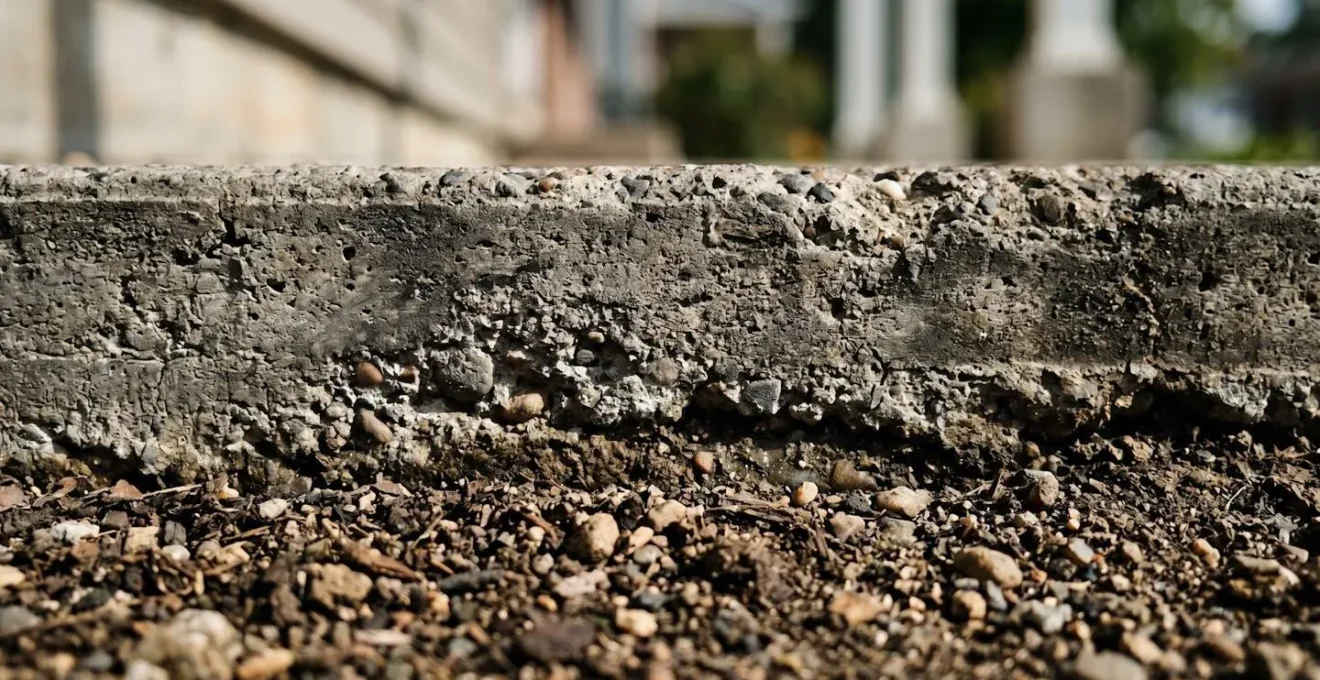
As this visualization implies, a Phase 1 Desk Study incorporates a detailed Flood Risk Assessment. This goes far beyond a simple postcode check. It analyzes topographical data, historical flood records from sources like the Environment Agency, proximity to rivers and water bodies, and surface water drainage patterns. It determines not just if the property is in a flood zone, but the specific type of risk (fluvial, pluvial, groundwater) and its probable frequency and severity. An uninsurable property is an un-mortgageable property, making its value plummet and rendering it a toxic asset on any balance sheet. The average commercial flood insurance claim can be substantial, often exceeding $90,000, and without adequate cover, this cost falls directly on the owner.
EPC E Ratings: Is It Illegal to Rent Out Your Commercial Property?
Environmental liability is no longer confined to pollution. The energy performance of a building has become a major legal and financial issue. In the UK, the Minimum Energy Efficiency Standards (MEES) make it illegal to grant new leases for commercial properties with an Energy Performance Certificate (EPC) rating below ‘E’. As of April 2023, this ban extends to all existing leases, meaning landlords cannot continue to let a property with an F or G rating.
This creates a significant risk for investors purchasing tenanted properties. If a building has a sub-standard EPC rating, you may be acquiring a property that is, or is about to become, legally un-rentable, instantly wiping out its income stream. The problem is widespread; industry assessments indicate that 88% of commercial properties in the UK currently fall below their likely future required standards. A Phase 1 study includes a review of the property’s EPC status, identifying this risk before it becomes your problem.
Case Study: UK MEES Enforcement Penalties
The penalties for non-compliance with MEES are severe and designed to be a strong deterrent. Under the current regulations, landlords face escalating fines. Breaches of less than three months can result in a fine of up to £5,000. However, for breaches lasting longer than three months, the penalty increases to £10,000 or 20% of the property’s rateable value, capped at a substantial £150,000. Beyond the financial hit, non-compliant landlords are also listed on a public ‘name and shame’ register, causing significant reputational damage. This regulatory framework turns energy inefficiency into a direct and quantifiable liability.
Ignoring the EPC rating is no longer an option. It is a fundamental indicator of a property’s legal and commercial viability. The Phase 1 Desk Study acts as the first line of defense, flagging properties that are regulatory liabilities in waiting and allowing investors to factor in the potentially significant costs of upgrades.
Managing Asbestos: Your Legal Duty to Manage Under UK Regulations?
For any commercial property built or refurbished before the year 2000, asbestos is a probable and highly regulated risk. The Control of Asbestos Regulations 2012 places a legal “duty to manage” asbestos on the owners and occupiers of non-domestic premises. This is not a passive requirement; it is an active, legally enforceable obligation to identify, monitor, and safely manage any asbestos-containing materials (ACMs) within the property.
This professional’s careful inspection underscores a critical point: ignoring asbestos is not an option for property owners.

Failure to comply can lead to severe penalties, including unlimited fines and imprisonment. As the Health and Safety Executive (HSE), the UK’s national regulator, states, “Asbestos remains the single greatest cause of work-related deaths in the UK.” Consequently, enforcement is rigorous. For example, recent HSE enforcement actions demonstrate the high stakes, with one Birmingham contractor receiving a £150,000 fine for regulatory breaches. A Phase 1 Desk Study will investigate the age of the building and recommend an Asbestos Survey if necessary, ensuring that you, as the incoming owner, are fully aware of your legal duties and the potential costs associated with managing this hazardous material from day one.
Remediation Costs: How Much to Clean Up a Leaking Oil Tank Site?
Quantifying the cost of environmental cleanup is notoriously difficult, but essential for an investor. A leaking underground storage tank (UST), a common feature of older industrial sites, can trigger a cascade of costs that run into the hundreds of thousands, or even millions, of pounds. The initial issue is not just the leaking tank itself, but the plume of contamination (e.g., oil, fuel, chemicals) that spreads through the soil and potentially into the groundwater, a protected resource.
Case Study: UK Part 2A Remediation Liability Distribution
An analysis of 460 remediated contaminated sites in England provided a telling insight into liability. In a staggering 371 cases (81%), the responsibility for remediation fell to local councils or the Environment Agency. This highlights the prevalence of ‘orphan linkages,’ where the original polluters can no longer be identified or held accountable. While this might seem like a safety net, it demonstrates the high likelihood of a site’s history being detached from its original polluter. The current owner is the first party the authorities will look to, and only a robust pre-acquisition due diligence process can provide the defense needed to avoid inheriting this responsibility.
The remediation process involves a Phase 2 intrusive investigation to delineate the contamination, followed by excavation of contaminated soil, installation of groundwater treatment systems, and years of monitoring to ensure compliance. Data on cleanup costs underscores the scale of the financial risk. For instance, contaminated land insurance data reveals an average cleanup cost of £250,000 per acre in the UK. Without a Phase 1 study to flag the historical presence of features like USTs, an investor is flying blind into a field of potential financial landmines.
EPC Risk: Will Your Building Be Illegal to Rent by 2027?
The current MEES requirement of an ‘E’ rating is only the beginning. The UK government’s trajectory for decarbonising the built environment is clear and aggressive. The proposed roadmap indicates that commercial properties will need to achieve an EPC rating of ‘C’ by 2027 and a ‘B’ rating by 2030 to be legally lettable. This represents a “regulatory time bomb” for a vast portion of the UK’s commercial property stock.
For an investor, this means that a property that is legally compliant today could become an illegal, un-rentable asset within a few years. The cost of upgrading a property from a D or E rating to a C or B can be substantial, involving improvements to insulation, HVAC systems, lighting, and windows. According to government figures, achieving these upgrades is a significant financial undertaking. In fact, UK government estimates indicate an average cost of £4,700 for landlords to bring a property up to an EPC ‘C’ rating, and this figure can be much higher for larger or older buildings.
A Phase 1 Desk Study that includes an EPC review doesn’t just look at the current rating; it assesses the property against this future legislative pathway. It allows an investor to forecast the capital expenditure required to maintain the building’s compliance and rental viability. This foresight transforms a potential catastrophic liability into a manageable, budgeted expense, which can be negotiated into the purchase price.
Misrepresentation Claims: Can You Sue if the Seller Lied About Flooding?
In a property transaction, the seller is required to provide answers to a standard set of inquiries known as Commercial Property Standard Enquiries (CPSEs). These include direct questions about environmental issues like flooding, contamination, and the presence of hazardous materials. While the seller has a duty to answer truthfully, misrepresentation—either through outright lies or strategic omissions—is a real risk.
This is where the Phase 1 Desk Study transitions from a risk assessment tool to a powerful legal weapon. If a seller states in the CPSEs that there is no history of flooding, but the Phase 1 study’s review of historical maps and Environment Agency data reveals multiple past flood events, you have clear evidence of misrepresentation. This can be grounds to renegotiate the price, pull out of the deal, or even sue for damages after the purchase.
Case Study: The Phase 1 ESA as Legal Evidence
A Phase 1 ESA serves a crucial dual legal function. Firstly, it provides the buyer with the “innocent landowner defense” by proving that “all appropriate inquiries” were conducted before the purchase. Secondly, it creates a formal, documented record that can be used as evidence in a misrepresentation lawsuit. The interview component of an ESA, where the consultant questions sellers, past employees, and neighbours, establishes a legal record of verbal statements. If these statements contradict the seller’s formal disclosures, it creates powerful evidence of active concealment, especially when physical evidence of undisclosed flooding or contamination is later discovered during a Phase 2 investigation.
The Phase 1 report provides an independent, third-party, expert assessment that stands up in court. It is not just your word against the seller’s; it is a documented, scientific investigation. It protects the buyer from being misled and provides the leverage needed to hold a dishonest seller accountable.
Key Takeaways
- Legacy Liability is Real: Current owners can be held financially responsible for pollution caused decades ago if the original polluter cannot be found.
- Regulatory Risk is Growing: EPC standards are tightening, with a ‘B’ rating required by 2030. A compliant property today could be illegal to rent tomorrow without significant investment.
- Due Diligence is Your Defense: A Phase 1 Desk Study is not just a report but a legal instrument that establishes the “innocent landowner defense” and provides evidence against seller misrepresentation.
CPSEs Explained: What Must a Seller Disclose About a Commercial Property?
Commercial Property Standard Enquiries (CPSEs) are the backbone of the disclosure process in a commercial property transaction. They are a formal set of questions that the buyer’s solicitor sends to the seller’s solicitor. The seller is legally obligated to answer these questions to the best of their knowledge, and their replies form a part of the contract. The questions cover a vast range of topics, but a significant portion is dedicated to environmental matters.
The seller must disclose any known information regarding contamination, pollution incidents, flood events, asbestos, and any notices received from environmental regulators. However, the key phrase is “to the best of their knowledge.” A seller can only disclose what they know, or they may choose to provide limited, carefully worded answers. The Phase 1 Desk Study is the independent tool used to verify, challenge, and investigate the seller’s responses. It provides the buyer with their own set of facts, independent of the seller’s potentially biased or incomplete knowledge. The principle of ‘present owner liability’ is a cornerstone of environmental law, meaning ignorance is not a defense.
Based on federal law (CERCLA) – the present property owner can be held liable for historical contamination on a property, even if the current owner did not own the property long enough to be the cause of the contamination.
– Environmental Site Assessment Standards, CERCLA liability framework for property transactions
This principle underscores the necessity of independent verification. Furthermore, the legal protection offered by a Phase 1 study has a limited lifespan; environmental due diligence standards specify that a Phase 1 report is valid for one year, but certain components like database searches must be updated after 180 days to maintain their validity for securing the “innocent landowner defense.”
Action Plan: Validating Seller Disclosures
- Request & Review CPSEs: Obtain the seller’s completed CPSE responses, paying special attention to environmental sections (e.g., contamination, flooding, asbestos).
- Cross-Reference with Phase 1 Data: Systematically compare each of the seller’s environmental declarations against the findings of your Phase 1 Desk Study. Look for contradictions, omissions, or vague answers.
- Challenge Ambiguities: Instruct your solicitor to raise further specific inquiries for any discrepancies found. For example, if the seller claims “no knowledge of flooding” but the Phase 1 shows the site is in a flood zone, demand clarification.
- Assess Risk Materiality: For every identified risk (e.g., potential contamination, sub-standard EPC), use the Phase 1 report to evaluate the potential financial impact. Is it a minor issue or a deal-breaker?
- Negotiate or Remediate: Use the verified information from your due diligence as leverage. Negotiate the purchase price down to cover future remediation/upgrade costs, or require the seller to rectify issues before completion.
Therefore, the Phase 1 Desk Study should not be seen as an optional extra or a cost to be minimized. It is the single most important investment an acquirer can make to safeguard their capital. It transforms unknown risks into known, quantifiable factors that can be managed, budgeted for, or used to walk away from a deal that is a financial disaster in waiting. Before finalizing any commercial property transaction, mandating a comprehensive Phase 1 Desk Study is the only responsible course of action to protect your investment and ensure long-term asset viability.